Autonomous Biomorphic Quadrupedal Robot (Spot Replica & Digital Twin)
A 12-DOF biomorphic quadrupedal robot bridging spatial Denavit-Hartenberg kinematics, custom embedded PCB control, and real-time ROS 2 digital-twin dynamic physics simulation.
Overview
Designed, simulated, and prototyped an autonomous 12-DOF biomorphic quadrupedal mobile robot inspired by Boston Dynamics' SPOT platform. The system integrates CAD/CAM structural mechanical synthesis, embedded PCB hardware, ROS 2 spatial kinematic solvers, and dynamic physics digital-twin validation.
Lightweight 12-DOF structural linkages were engineered in SolidWorks and subjected to static and dynamic stress/strain Finite Element Analysis (FEA) in ANSYS to optimize structural load distribution under high-impact gait forces.
Forward and inverse kinematics were formulated using spatial Denavit-Hartenberg (D-H) planar transformations, establishing joint trajectory profiles for dynamic balance and multi-gait leg coordination. The custom PCB control board, designed in KiCad and EasyEDA, connects ESP32 and Arduino microcontrollers across high-speed SPI, UART, and I2C hardware buses, enabling asynchronous telemetry streaming over 802.11 Wi-Fi to Blynk.Cloud and ThingSpeak dashboard platforms.
To validate system dynamics, complete Unified Robot Description Format (URDF) models were constructed complete with physical joints, collision boundaries, and precise inertia matrices. Full rigid-body dynamic physics simulations were executed within Gazebo and Wokwi, integrating Python-based AI frameworks (Reinforcement Learning and Computer Vision) for autonomous path planning and obstacle negotiation.
3D Model
Interactive 3D model of the 12-DOF Quadrupedal Robot chassis — drag to orbit, scroll to zoom.
Process
01 — Mechanical Synthesis & FEA
Linkage Optimization & Structural Stress Analysis
Engineered lightweight 12-DOF structural linkages in SolidWorks. Conducted static and dynamic stress/strain Finite Element Analysis (FEA) in ANSYS to optimize structural load distribution under high-impact gaits.
02 — Kinematics & Spatial Mathematics
Denavit-Hartenberg Formulation & Trajectories
Formulated forward and inverse kinematics using spatial Denavit-Hartenberg (D-H) planar transformations. Programmed joint trajectory profiles for dynamic balance and multi-gait leg coordination.
03 — Embedded PCB Hardware & Sensor Fusion
Custom Board Design & High-Speed Buses
Designed custom PCB control boards via KiCad and EasyEDA. Configured high-speed SPI, UART, and I2C hardware buses for sensor fusion and real-time motor synchronization across ESP32 and Arduino microcontrollers.
04 — Asynchronous Telemetry & Cloud IoT
Wireless Dashboards & Real-time Analytics
Enabled asynchronous telemetry over 802.11 Wi-Fi streaming to Blynk.Cloud and ThingSpeak dashboard platforms for real-time remote monitoring.
05 — URDF & Rigid-Body Physics Simulation
Digital Twin Synthesis in ROS 2 & Gazebo
Constructed complete Unified Robot Description Format (URDF) models complete with physical joints, collision boundaries, and precise inertia matrices. Executed full rigid-body dynamic physics simulations within Gazebo and Wokwi.
06 — Embodied AI & Autonomous Navigation
Reinforcement Learning & CV Path Planning
Integrated Python-based AI frameworks (Reinforcement Learning / Computer Vision) for autonomous path planning and obstacle negotiation.
Engineering Details
Key System Highlights & Technical Specifications
| Subsystem | Engineering Focus | Tools & Methodologies | Output & Verification |
|---|---|---|---|
| Mechanical Synthesis & Dynamic FEA | 12-DOF Structural Linkages & Frame Design | SolidWorks, ANSYS FEA, Additive Manufacturing | Optimized load distribution under high-impact gaits |
| Kinematics & Spatial Mathematics | Spatial & Planar Leg Coordination | Denavit-Hartenberg (D-H) Transformations, Trajectory Solvers | Closed-form forward & inverse kinematics for dynamic balance and gait control |
| Embedded PCB & Sensor Fusion | Multi-MCU Control & Telemetry | KiCad, EasyEDA, ESP32, Arduino, SPI/I2C/UART | Synchronized motor drive loops with 802.11 Wi-Fi streaming to Blynk.Cloud & ThingSpeak |
| ROS 2, Physics Simulation & Embodied AI | Digital Twin & Autonomous Navigation | URDF, Gazebo, Wokwi, Python (RL & OpenCV) | Rigid-body dynamic physics validation, collision boundaries, and obstacle negotiation |
Credentials & Industrial Verification
| Accreditation | Issuing Organization | Asset Path | Status |
|---|---|---|---|
| Industry Accredited Training & Capstone Project Certification | My Equation (Supported by Industrial Partners) | /myequation/certificate.pdf | Verified & Issued |
More projects
View all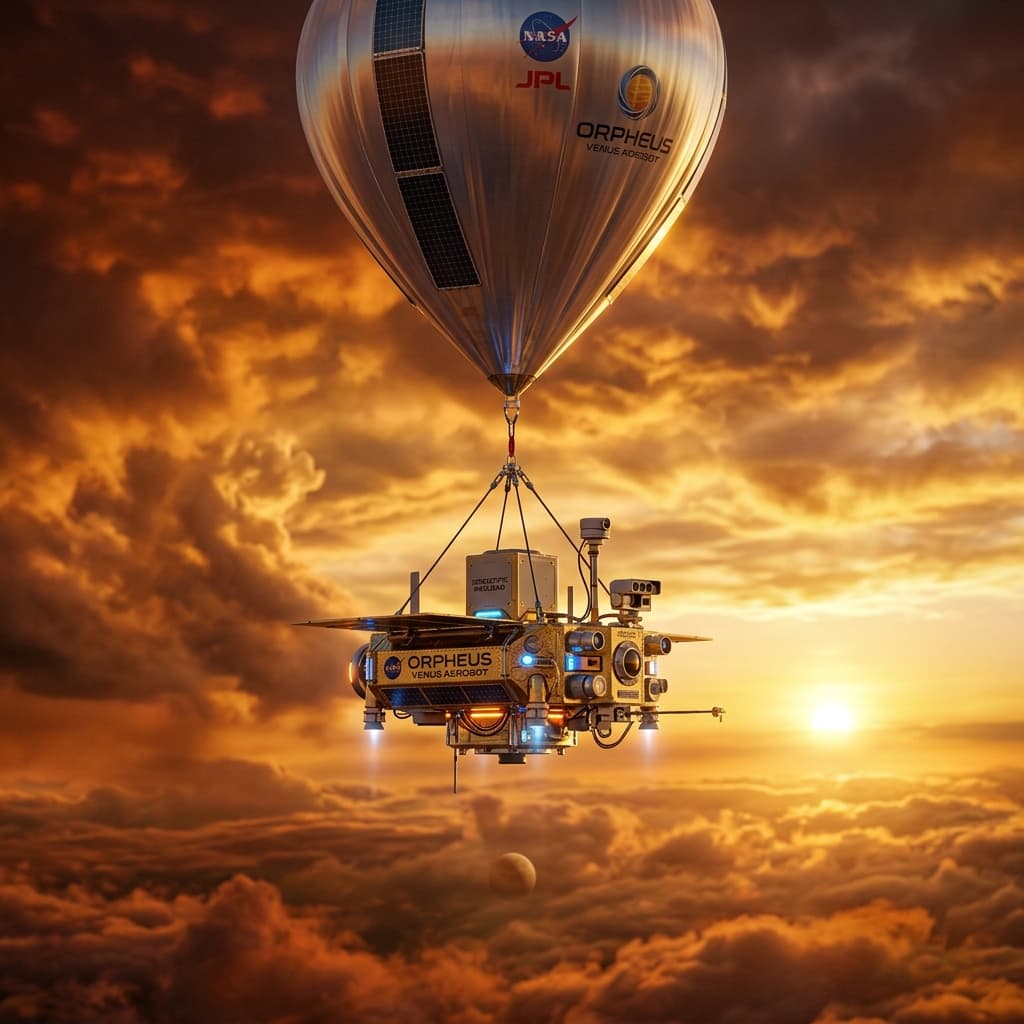
PDR Complete
ORPHEUS — Venus Aerobot Mission
A NASA Discovery-class mission concept deploying an autonomous Aerobot into Venus's cloud layer to study surface–atmosphere interactions at Artemis Corona.
Aerodynamics Research Complete
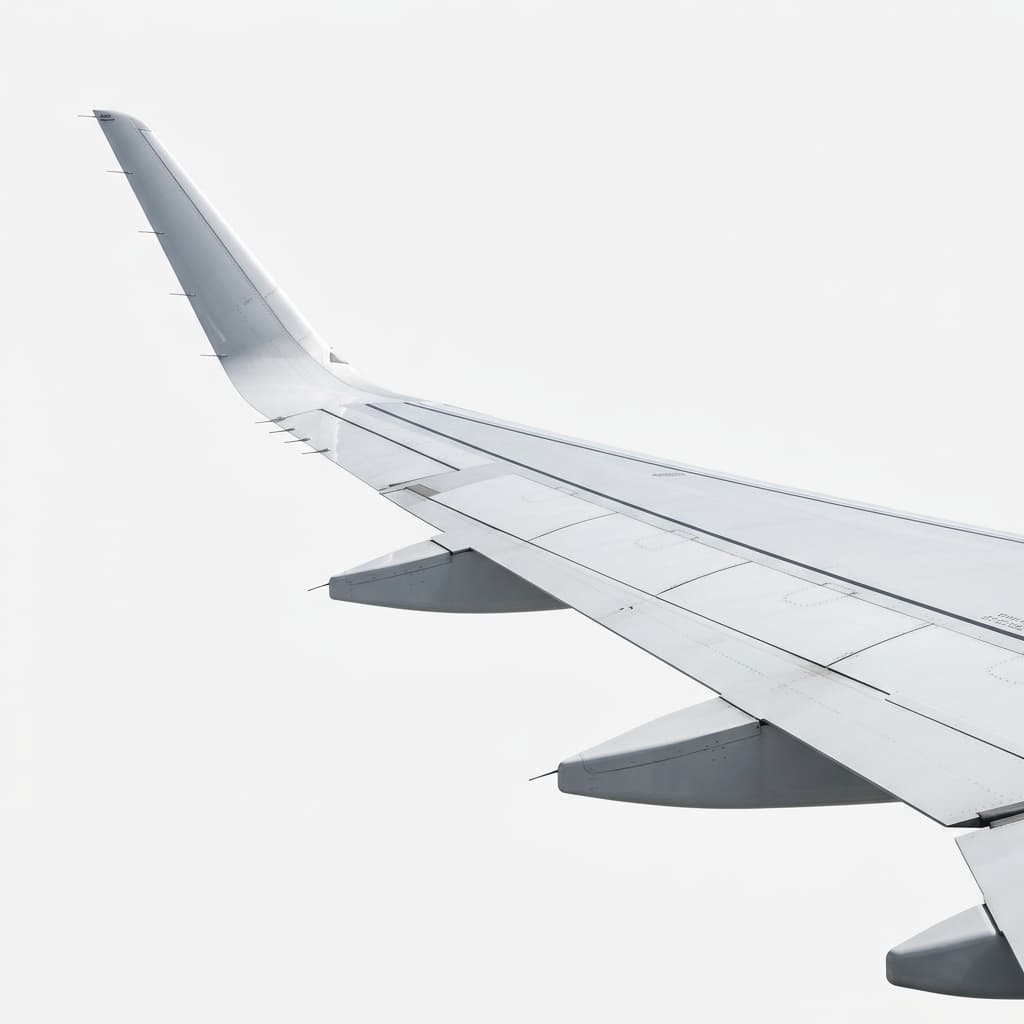
Aerodynamics of 3D Printed Controlled Surface Topography
An advanced aerodynamic study integrating precision 3D-printed NACA 4412 airfoils, microscopic stylus metrology, and dynamometer-driven wind tunnel testing to optimize viscous airflow.